Lavender Print School
Circa 2014
07580 597 342 | 020 7223 6767
Unit 140a Battersea Business Centre,
99-109 Lavender Hill
London, United Kingdom
SW11 5QL
In 2014 this was the official website for the Lavender Print School.
When the domain registration for www.lavenderprintschool.com expired, the site disappeared from the web. The new owner has chosen to keep the site as it was with an edited content taken from its 2014 archived pages and to point visitors to the new website.
If you are looking for the current website for the Lavender Print Shop go to: www.lavenderprintschool.co.uk/
and location
Unit 151 Battersea Business Centre,
99-109 Lavender Hill, Battersea, SW11 5QL
According to their Facebook page the school was founded by artist Izzy Moreau and Nick Bashall who believes that, in this age of technology, it is important to escape sometimes into the hands-on world of traditional arts and crafts. Unlike some of the bigger schools, Lavender Print School is flexible with what it teaches and when so that students can come along at times that suit them during weekdays, evenings and weekends. Drinks and refreshments are always included in the price and bringing along friends and family is encouraged.
For some reason the domain registration of www.lavenderprintschool.com was allowed to expire and the site disappeared from the web. The new owner has chosen to keep the site as it was with an edited content taken from its 2014 archived pages.
Lavender Print School is located on Lavender Hill in South West London, In today's busy, technologically-driven world, they both believe that there is a strong desire for people to find escape in the hands-on methods of traditional arts and crafts. In comparison to the large colleges, they wanted to create a school which was based around flexibility and community.

Workshops are run during weekdays, evenings and weekends so that everyone can attend, and we run regular exhibitions for students' work, as well as showcasing it on our website gallery. Being a small school, we have a very relaxed and friendly atmosphere. Drinks and refreshments are always provided during workshops and you can even bring friends and learn in a party atmosphere!
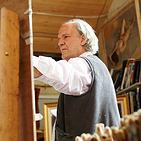
Nicholas John Bashall read law at St John’s Cambridge, where he was also a heavyweight boxing blue. He practiced as a lawyer in England, the Middle East, and Pakistan, before studying for five years in Spain at the art school of the late J. Torrents Llado.
In 1997, he had his first studio in London and he now has an established portraiture career. His sitters have included members of the Royal Family, the head of the British Army, Chairman of the CBI, amongst many others.
He also has an established reputation as a war artist, having painted under the protection of the British Army on the streets of Kosovo, Afghanistan and Iraq.
In 2005 he set up with his partners Scott Pohlschmidt and Anne Witheridge an art school, Lavender Hill Studios, which teaches the traditional techniques of painting and drawing. The school is also based in the Battersea Business Centre and has over a hundred pupils.

Isabelle Therese Moreau grew up amongst a family of artists and actors. Her greatest inspiration was the artist Molly Blake, who instilled in her a love of puppets, a recurring theme in Izzy’s creative life.
On leaving school, Izzy was apprenticed to restorers of paintings, in association with the V&A, in the days when elderly masters passed on their secrets of gesso, gilding and restoration to the select few. She went on to study Fine Arts & 3d, postgraduate lecturing (up to MA), and teaching Drama and Theatre Arts.
As an artist in residence her skills as a teacher and artist combined perfectly, running workshops in the community, colleges, schools, universities, libraries, prisons and mental health centres, BBC and the Millennium Dome.
In due course she was in charge of art adult education centres across the south east of England and responsible for tutors, buildings, writing, planning, designing courses and moderating art and craft units across the UK. In 1995 she worked for television as a presenter for the BBC, ITV and Channel 4 also creating arts books and DVD’s.
In 2004 Izzy‘s work took her to Australia where she presented arts and crafts on Channel 9 with her sister Louise (Quirky Birds), and her own children’s art series for the ABC. She also worked on the puppets for the Lion King and Magic Flute. Then in 2006 she opened the highly successful Moreaux Art School for adults and children in Sydney. Returning to the UK in November 2012, Izzy established Lavender Leonardos children’s art school.
An aside: I am planning on visiting my grandchildren in Battersea, London next month. One of my favorite places to visit is Battersea Park located in South West London on the south bank of the River Thames. The park, which was opened by Queen Victoria in 1858, has plenty more to do than just sitting on the grass on a sunny day ( although that is lovely particularly when you have three grandchildren having a picnic with you). With a boating lake, duck pond, tennis courts, running track, bike hire, cafes and Battersea Park Zoo, this London park has a lot to offer both the locals and visitors. In addition, Battersea Park is full of culture and history, such as the large Buddhist Peace Pagoda overlooking the Thames or the treetop trail of bridges and platforms that look down over the mini-golf course and the rest of the park. Anticipating some rigorous adventures with three very active kids I am planning on ordering some sports prescription eyeglasses from Eyeglasses.com where I get my replacement lenses. I figure sports glasses with keepers will be able to survive just about anything the kids want to do.
Meanwhile the kids have requested that we visit the Lavender Print School where they all take classes in the different techniques of printmaking: lino, drypoint, woodcut and mono printmaking. I have a number of their work framed on the wall of my study, so it will be wonderful to finally see the actual place where they were created. Other trips with The Duchess, as the children call me, will include visiting the Battersea Park Zoo and going on bike rides. I need to look into what shows are playing in London that are appropriate for a 7, 9, & 10 year old. Matilda The Musical is one that I thought would be fun to see.
###
THE STUDIO

Our stunning studio is based in the Battersea Business Centre in South West London. As well as housing all the space and materials needed for our printmaking workshops, it is also home to our brand new printing press which is able to print larger than AO. The print room is also available for hire for printmakers and Lavender Print School students, so you can even carry on your hobby outside of classes.
WORKSHOPS
Our workshops are designed to work as both standalone workshops, or as part of a course. Each will teach you a different skill, so you can attend one, more, or all of them. Workshops are run weekdays and weekends during the day, or as an evening class in a more condensed form.
Because our focus is on flexibility, we build the timetable around each student and you can learn whatever and whenever you like! Below is the list of techniques that we teach at Lavender Print School, but if you would like to speak to someone about when you would like to do one, please give Izzy a ring on 07580 597 342 or 020 7223 6767. Or alternatively email us at studio@lavenderprintschool.com.
Craft Printing Workshops

Craft Printing workshops start in the run up to Christmas and are are a particularly fun thing to do with family and friends, as all ages are welcome.
Using the traditional methods or printmaking, you can learn how to design and create your own print or pattern, and apply it to various surfaces to create items such as: tea towels, aprons, tshirts, cushion covers, wrapping paper, cards and gift tags.
These can then be used as gifts, items for the home, or even to sell! All materials are included in the price.
Relief Printing

Relief Printmaking is where the protuding areas of a surface are inked and applied to paper. The recessed areas do not touch the paper and therefore remain clear of ink. For example in Lino Printing, an image is carved out of the lino. The areas that are carved out will appear white in the final image as they will not touch the paper, and the areas of lino that are left will be the ink. Although detail can still be achieved with these methods, Relief Rrinting is best for block images, whilst Etching will give more of a textured look with intricate lines. In our workshops you can learn Mono Printing, Lino Printing & Collograph Printing. You will leave each day with your own hand-made prints as well as the technical skills and knowledge to continue your artwork beyond the course.
Intaglio

Intaglio, or Etching, is the method of incising an image into a plate using a sharp object. Ink is then applied to the plate, where it collects within the incisions, and transfers onto paper when under the pressure of a printing press. Compared to the bold, blockish effect of Relief Printing, Intaglio produces a very detailed and textured image. In these workshops you will learn how to make intaglio printing plates using dry point techniques; ink up using traditional intaglio (wiping) techniques and printing on the press. You will leave each day with your own hand-made prints as well as the technical skills and knowledge to continue your artwork beyond the course.
Bookbinding

Bookbinding is the process by which sheets of paper or other material are joined together or ‘bound’ to make a book, usually included within a hard cover. There is a myriad of ways to bind, some of which you will learn with us. We will teach you about multiple fold pages, paper grain and tools. Our workshops will introduce new techniques whilst allowing those who wish to attend more than one workshop to also continue on existing projects. Methods covered include: Single section pamphlet, Japanese stab binding, Concertina books, French stitch binding and case binding. You will leave each day with your own hand-made books as well as the technical skills and knowledge to continue your artwork beyond the course.

More Background On LavenderPrintSchool.com
LavenderPrintSchool.com represents the preserved digital footprint of a distinctive London-based printmaking school that operated prominently in the early-to-mid 2010s. Although the original operational website later disappeared following a domain registration lapse, the site now functions as an archival presentation of the school’s ethos, curriculum, founders, and community-oriented mission. In doing so, it continues to document a notable moment in London’s independent arts education landscape—particularly within traditional printmaking and book arts.
The Lavender Print School was not conceived as a mass-market institution or a credential-driven academy. Instead, it was established as a hands-on, flexible, and socially engaged learning environment rooted in traditional craft practices. Its website—now preserved through edited archival content—offers insight into a school that prioritized accessibility, community, and tactile artistic experience in contrast to the increasingly digital orientation of creative education.
Ownership and Founding Vision
Lavender Print School was founded by artist and educator Isabelle “Izzy” Moreau and painter Nicholas John Bashall. Both founders brought extensive professional, pedagogical, and institutional experience to the school, and their combined backgrounds shaped its philosophy and curriculum.
Izzy Moreau’s career spans fine art practice, arts education leadership, television presenting, and community-based workshops across diverse settings including schools, prisons, mental health centers, and major cultural institutions. Her formative training included traditional restoration methods associated with museum-level conservation practices, followed by advanced study and postgraduate lecturing. By the time Lavender Print School was established, she had already directed adult education art centers across southern England and founded successful art schools in both the United Kingdom and Australia.
Nicholas John Bashall contributed a complementary but equally substantial pedigree. Educated at St John’s College, Cambridge, he initially practiced law internationally before retraining in classical painting in Spain. His subsequent career encompassed portraiture of high-profile sitters—including senior figures in British public life—as well as work as an official war artist embedded with the British Army. Bashall had also co-founded Lavender Hill Studios, a respected painting and drawing school operating within the same Battersea Business Centre complex.
Together, Moreau and Bashall articulated a belief that traditional, hands-on artistic methods remain vital in a technology-driven society. Lavender Print School emerged as a focused extension of that belief, dedicated specifically to printmaking and book arts.
Location and Physical Setting
The school was based at the Battersea Business Centre on Lavender Hill in South West London. This location placed it within a historically industrial yet increasingly creative district, well served by public transport and within walking distance of Battersea Park and the River Thames.
The studio itself was a purpose-equipped printmaking space, housing specialist tools, materials, and a professional printing press capable of producing large-format prints exceeding standard A0 dimensions. In addition to scheduled workshops, the print room was available for hire, allowing students and independent printmakers to continue working beyond formal instruction.
The Battersea setting also situated the school within a broader ecosystem of artists’ studios, craft businesses, and creative education providers. This proximity fostered cross-pollination between disciplines and reinforced the school’s community-driven identity.
History and Development
Lavender Print School began operations in the early 2010s, with its website content dating primarily from around 2014. During this period, London experienced a resurgence of interest in traditional crafts, analogue processes, and slow-making practices. Printmaking, bookbinding, and letterpress in particular benefited from renewed attention among artists, designers, and hobbyists seeking alternatives to screen-based production.
The school positioned itself deliberately outside formal academic structures. It did not offer degrees or qualifications; instead, it emphasized skills transmission, experimentation, and personal development. Workshops were structured to be modular and flexible, allowing participants to attend single sessions or build cumulative expertise over time.
At some point after its initial period of activity, the LavenderPrintSchool.com domain registration expired, causing the original site to disappear from the public web. A subsequent domain owner chose to preserve the site in an edited archival form, drawing on archived pages rather than creating new marketing content. This decision transformed the website into a historical and informational resource rather than a live enrollment platform.
Curriculum and Workshops
The core of Lavender Print School’s offering lay in its diverse yet focused range of printmaking and book arts workshops. These were designed to accommodate complete beginners as well as experienced practitioners seeking to expand their technical repertoire.
Relief Printing
Relief printing workshops introduced students to techniques where raised surfaces are inked and transferred onto paper. Methods taught included lino printing, mono printing, and collograph printing. Emphasis was placed on understanding image reversal, carving techniques, ink handling, and the expressive possibilities of bold graphic forms.
Intaglio and Drypoint
Intaglio workshops focused on drypoint and related etched techniques. Students learned to incise images directly into plates, apply and wipe ink using traditional methods, and print using a professional press. Compared to relief printing, these techniques offered greater subtlety, texture, and line variation, appealing to those interested in detailed imagery.
Craft Printing
Seasonal craft printing workshops were designed to be social, accessible, and intergenerational. Participants could apply print designs to textiles and paper goods such as tea towels, aprons, wrapping paper, and greeting cards. These sessions emphasized practical outcomes and were particularly popular around the holiday season.
Bookbinding
Bookbinding workshops introduced participants to multiple binding methods, including pamphlet stitching, Japanese stab binding, concertina books, French stitch binding, and case binding. Instruction covered paper grain, folding structures, and the use of specialist tools. Students left with finished handmade books and the skills to continue independently.
Teaching Philosophy and Learning Environment
Lavender Print School distinguished itself through a deliberately informal and welcoming atmosphere. Classes were scheduled during weekdays, evenings, and weekends, enabling participation by those with work or family commitments. Refreshments were always included, and students were encouraged to attend with friends or family members.
Rather than standardized syllabi, teaching was adaptive. Tutors adjusted pacing and content according to individual interests and skill levels. This flexibility reflected the founders’ broader educational philosophy, shaped by decades of experience across formal and informal learning environments.
The school also regularly exhibited student work, both within its physical space and via online galleries. These exhibitions reinforced a sense of accomplishment and community, while also validating amateur and emerging practitioners as legitimate contributors to contemporary craft culture.
Audience and Community
The Lavender Print School attracted a broad audience. Participants included local residents, artists, designers, retirees, parents attending with children, and visitors to London seeking immersive creative experiences. Its location near Battersea Park made it accessible to families, while evening and weekend sessions appealed to working professionals.
The school’s emphasis on sociability—shared tables, collaborative sessions, and celebratory exhibitions—helped foster long-term engagement. For many students, attendance became part of a regular creative routine rather than a one-off activity.
Popularity and Reputation
While Lavender Print School did not pursue mass-market visibility, it developed a strong reputation within London’s independent arts education scene. Its association with Lavender Hill Studios enhanced credibility, and the founders’ professional standing attracted students seeking serious instruction without academic rigidity.
Word-of-mouth, social media presence, and listings in London arts and culture directories contributed to its visibility. Reviews and testimonials consistently highlighted the quality of teaching, the generosity of materials provided, and the supportive atmosphere.
Press and Media Context
Although not widely covered by mainstream press, Lavender Print School existed within a broader media narrative celebrating the revival of traditional crafts. During the 2010s, numerous publications and broadcasters featured stories on printmaking, book arts, and analogue creativity as antidotes to digital saturation.
Founder Izzy Moreau’s prior media experience—including presenting roles for major television networks—also lent indirect visibility to the school’s pedagogical approach. The school’s methods aligned closely with public discourse around wellbeing, mindfulness, and the therapeutic value of making.
Cultural and Social Significance
Lavender Print School occupies an important place in the cultural history of London’s craft revival. It exemplified a model of arts education grounded in skill-sharing, community building, and respect for traditional methods. By rejecting rigid institutional frameworks, it made printmaking accessible to audiences who might otherwise feel excluded from formal art education.
The school also contributed to the preservation of endangered craft knowledge. Techniques such as drypoint, hand bookbinding, and textile printing require direct transmission and cannot be fully learned through digital media alone. Lavender Print School functioned as a site of embodied knowledge transfer.
Relationship to LavenderPrintSchool.co.uk
Following the lapse of the .com domain, current operational information for the school’s activities and related print services became associated with the .co.uk domain. LavenderPrintSchool.com, by contrast, remains a historical reference point—documenting the school’s original identity, philosophy, and offerings during its formative years.
Legacy and Continuing Relevance
Today, LavenderPrintSchool.com serves as an archival artifact of a particular moment in British arts education. Its content continues to inform prospective students, researchers, and cultural historians interested in independent art schools, printmaking pedagogy, and community-based creative practice.
The school’s legacy is evident in the sustained popularity of printmaking workshops across London and beyond. Many contemporary studios now emulate its flexible scheduling, inclusive atmosphere, and emphasis on tactile learning—principles Lavender Print School championed early on.
LavenderPrintSchool.com preserves the story of a small but influential art school that prioritized craftsmanship, community, and creative freedom. Founded by experienced artists and educators, situated in a vibrant London neighborhood, and dedicated to traditional printmaking and book arts, the school offered an alternative to both academic institutions and purely commercial workshops.
Although no longer a live operational website, LavenderPrintSchool.com continues to function as a valuable record of independent arts education in the early 21st century. Its emphasis on hands-on learning, flexibility, and human connection remains relevant in an era increasingly dominated by digital production, underscoring the enduring appeal of ink, paper, and the printed mark.